Our Family’s Role in Our Vocational Discernment

SrLaurawithFamilyWhat role does our family have in our vocational discernment? Ideally, an important one.

(For those who fear family will oppose their vocational discernment, you can read my previous post here, responding to concerns several readers raised.)

As I mentioned previously in response to a question, our vocational discernment greatly affects our family, and most of us desire to remain close to our family. In addition, we care about what our loved ones think, especially when we need another perspective on our strengths, weaknesses, and suitability for a particular vocation. At the same time, our call from God is sacred, and our discernment shouldn’t be influenced by familial pressures and undue attachments.

We want to share our vocational discernment with our family in such a way that it will promote the most freedom and wisdom in our discernment. A lot depends on whether our family members share our faith, our desire to seek God’s will, and the kind of selfless love that seeks what is best for us apart from self-interest. Our role in the family is also crucial. In some cases, our family’s dependence on us may be an important factor in our vocational discernment, for example, elderly parents or siblings who are much younger who depend on us because our parents aren’t able to support their basic needs.

Here are a few guidelines that can help us to know how and when to share our vocational discernment with our family.

1) Discerning our vocation is sacred. In many cases, our initial steps in our discernment are private. We need to start thinking through possibilities, come to know our own feelings and desires without others’ expectations or concerns, listen in the quiet of our hearts to God’s invitation. Especially when we are discerning something new, we are uncomfortable or unsure sharing about it, it is advisable to discern privately and wait to share it with family and friends.

2) Our families are God’s great gift to us and are a huge part of our lives. When we are ready to start sharing about our vocational discernment, and when we need advice from those who know us well, it’s often very helpful to talk about our vocational discernment openly with our family. In doing so, we build up our family love and unity, and also set a good foundation for how we will relate with our family as we follow our vocation. Ideally, we want our family to be involved with our discernment fairly early on, so that:

  • They will understand why we make the choice that we do
  • They can learn about our vocational choice as we do (e.g., getting to know about religious life, or getting to know our future spouse)
  • We don’t block them from being part of one of the most important decisions of our lives

At the same time, we don’t want to let our family members’ private agendas drive our discernment. So, for example, deciding not to get married simply because a sibling or parent will miss us too much or might need us in the future, is allowing others to have undue influence on our vocation. Instead, our priority is to listen to God. God is not only our Creator who gifted us with our lives, God is the One who loves us most and has the best—perfect!—plan for us. Above all other pressures and expectations, we want to listen to God’s invitation.

Vocational Discernment’s Big Question: What is the next step God is calling me to take?

Vocational discernment is like any other discernment, but it has a particular importance and urgency. In the next couple of posts, I want to highlight special considerations that might prove helpful to take into account for those discerning their vocations.

steps-887724_1280

Discerning the Next Best Step

Vocational discernment is not about foreseeing the future or committing to one’s vocation in one dramatic leap. Vocational discernment is about seeking to follow God’s will for us here and now. Is God calling me to consider religious life? marriage? priesthood? Discernment is about taking the next best step.

So, for example, if we are in our third year at college or university, and we start to seriously wonder whether God is calling us to priesthood, it doesn’t necessarily mean that we start planning to enter the seminary. Instead, it might mean that we take the first steps in discerning a call to priesthood, such as: talking about it with the diocesan vocation director, finding out more about the priesthood and the seminary, perhaps even visiting the seminary, and finding a spiritual director. Our constant prayer is twofold: To what vocation is God calling me? and How is Jesus calling me to follow him more closely here and now? If we struggle with the tension of this twofold prayer—for example, if we find ourselves worried about a particular future, then it is best to focus only on the second question: How is Jesus calling me to follow him more closely here and now? This question is enough to guide us in our vocational discernment.

If we continue to feel God’s invitation to consider priesthood, then we take further steps along our discernment: we make a discernment retreat; we follow the advice of the diocesan vocation director; eventually with the encouragement of the vocation director, we apply to enter the seminary, etc.

Entering a seminary or a convent is not the end of our vocational discernment, but a significant step along the way. Until a priest is ordained, a couple is married, or a religious professes perpetual vows, the vocational discernment continues.

After ordination, marriage, or profession, discernment continues but is no longer about discerning which vocation, but how to live our vocation. The fundamental question now becomes: How is God calling me to live as a…[priest, spouse, religious] today?

Discerning God’s Will…Our Mission in This World

We do not discern our vocation in a vacuum. We are born into our family, we grow up as part of any number of communities: our school, our neighborhood, our parish, our town, our country, and our world, in this time. When we discern how God is calling us to give our lives in love, it is important that we do so within our situation and our community, aware of the needs of our world today.

In our vocational discernment we specifically want to pray with the needs of the world, and take those into account as we discern, so that we can fulfill the mission God has entrusted to us. We need to bring our full selves to discerning the mission entrusted to us because God calls us—with our unique set of gifts, weaknesses, skills, experiences, and inclinations—to make a specific difference in the world.

At the same time, a big part of our vocational discernment is to “get out of the way,” putting Christ at the center of our lives and of our discernment. The more Christ becomes the center, the more we can take on an attitude of service, of attending to the needs of others. With a Christlike desire to serve, we are more easily able to discern how God wants us to respond to those needs with our lives.

Does Everyone Need To Discern Their Vocation?

streak-275978_1280Often when we begin discerning our vocation, we already have an inkling about which vocation we are drawn to or God might be calling us to. But one reader recently raised this question:

What if we are pretty sure we already know how God is calling us—do we still need to discern our vocation?

Many people do not feel the need to discern their vocation. Lots of good Catholics never heard about the spiritual art of discernment or never considered discerning their vocation.

A formal vocational discernment may not always be necessary, but there are compelling reasons and excellent benefits for discerning our vocation, even if we are already strongly inclined in one direction. If we are wondering if we should discern our vocation, we might find it helpful to do so for the following reasons:

1) Committing to our vocation is a huge decision that shapes the rest of our lives. Taking time to consider our vocation gives us the opportunity to look at all the possibilities at least once, even the ones we haven’t considered.

If we haven’t witnessed or been inspired by people striving to live their vocation to holiness in a particular state in life, we may not feel drawn to that state simply because it’s not been part of our experience. While some people want to be priests or sisters from an early age, others are surprised by an insight or experience only after reaching adulthood. Other people may need to consider the full beauty and potential of marriage. Every vocation is beautiful, and there is a special complementarity between married family life and consecrated religious life—a complementarity that can support and strengthen us in our vocations in the future.

Since God gave us the gift of our lives, knows us best, loves us and wants what is best for us, it makes sense to consider his plan in creating us and putting us in this time and this place. If we want to be happy, then it it is fitting to seek God’s will.

2) Discerning our vocation helps us to know and follow God’s will for our lives. Even if we think we already know God’s will, it’s a wonderful opportunity to open ourselves to his loving plan, and to learn and/or grow in the art of discernment—a spiritual art that we want to use throughout the rest of our lives.

3) Knowing that we carefully discerned our vocation can be very reassuring for those times in the future when we are struggling or facing doubts in our vocation. We can rest assured that we sought God’s will, and that, even in the darkness or challenges that we face, we are living God’s call.

If we have already chosen our vocation and are living it, do we need to feel bad if we didn’t discern it? Absolutely not! Most people consider their choice very carefully before making such a commitment, even praying over it. God works with all of us individually and guides us, even when we don’t know we are being guided. We may think we didn’t discern because we didn’t follow certain steps, but most likely the Holy Spirit was at work in us, especially if we were prayerful and seeking God’s will.

We cannot always see how God leads and guides us, but we can be sure that God has led us in the past and will continue to lead and guide us into the future. Discernment simply helps us to be more aware of and attentive to God’s presence and work in our lives.

Checklists for Discerning Our Vocation

Many of us discern our vocation informally through the years. When we enter more intentionally or deeply into vocational discernment, we need a few things already in place in our lives. If we aren’t currently trying to live these already, we will find them of immeasurable help in our discernment. But before I post my list, I want to share about another list, found in a book that I highly recommend:
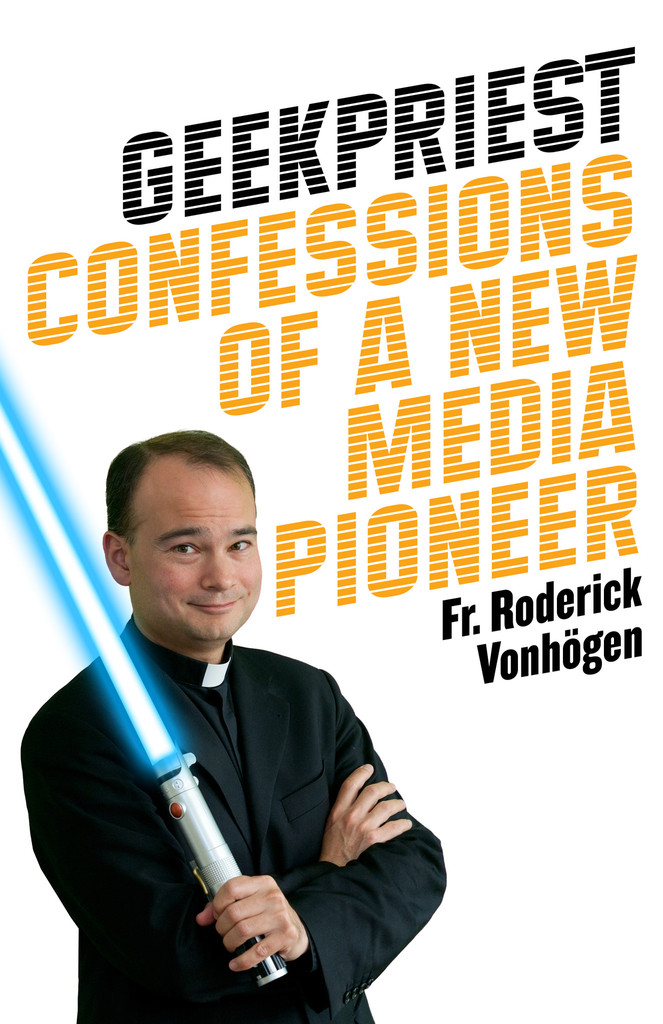
GeekpriestCover

In his book, Geekpriest: Confessions of a New Media Pioneer, Father Roderick Vonhögen shares the story of his vocational discernment in chapter 2, “Spider-Man’s Day Job.” He compares discerning our vocation with the typical superhero story, and shares a checklist for what we can learn from superheroes in discerning our vocation. (How cool is that! I wish I’d had this checklist when I was discerning!)

Father Roderick’s “Superheroes Checklist” is insightful and a great deal of fun for those with geekish tendencies (like myself) who enjoy superhero stories, but it also makes discernment very accessible to anyone who has seen even one superhero film. Included in his checklist are: seek solitude, study and read, discover your strengths and acknowledge your weaknesses, be humble, listen to your friends, do not fear, and persevere.

Geekpriest is a great, fun read and I highly recommend it for young people, as it offers a fascinating and entertaining “inside look” at the life of a dedicated priest, as well as offering helpful ways for living as a Catholic amid our social-media-inundated world. If you are discerning a vocation to the priesthood, the whole book is a fun read that will also get you thinking and praying! (You can read my full review here.)
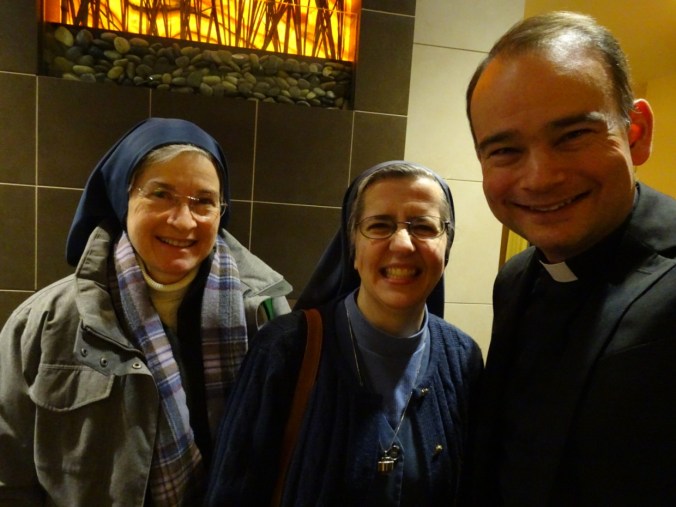
At a recent meeting with Father Roderick. (With me is Sr. Anne Flanagan aka @Nunblogger)

I was excited and thrilled this week to meet Father Roderick. (Sr. Anne Flanagan aka @Nunblogger is with us)

Below is my less-fun, not super-hero related list of essentials to put in place in your life as you begin or continue to discern your vocation. (Notice that my list intersects with Geekpriest’s SuperHeroes Checklist in more than one place!) This list also sums up a whole slew of my previous blog posts.

1. A dynamic prayer life and sacramental life. Have a real relationship with God that is living and growing. This means a regular prayer life, not just a “hit or miss” approach, or only praying “when I feel like it.” If you haven’t already, commit to daily prayer.

Becoming an “expert” in prayer is a lifelong journey, but having a genuine relationship with God when we are seeking his will is essential. How better to learn how to recognize God’s invitation in the big decisions we have to make, than to listen to God every day?

The sacraments are the privileged ways that the Church offers us an encounter with Christ. Frequently participating in Holy Mass (Sunday Mass is the minimum) and regular reception of the Sacrament of Reconciliation are the ordinary means for growing in our relationship with God. They might seem “ordinary,” but both sacraments are really hidden miracles in our midst.

At Mass, we adore, thank, offer ourselves with, and receive Jesus himself, who delights in sharing himself with us and inviting us into his own relationship with the Father. In the Sacrament of Reconciliation, all of the obstacles that we put between God and ourselves—our sins, woundedness, and flaws—are forgiven and healed in a sacred encounter with Jesus’ merciful love.

2. Strive to live a good moral life. All of us are called to holiness, to grow in union with God here on earth, a union that will be fulfilled in perfect communion with God in heaven. Every vocation is a call to profound holiness. Constantly living in a state of serious sin means we are putting obstacles between us and God. All sin is a roadblock for our discernment, because sin is turning away from God’s will and choosing our will over God’s. Instead, discernment is striving to know and live God’s will. We do not need to be sinless to discern because we are all sinners, but we want to be striving to be upright, sincere about our journey of growing in virtue.

3. Trust in God. We can grow in trust in God by pondering and praying with these truths:

  • God loves us
  • God knows us better than we know ourselves
  • God has a plan for us that will bring about our greatest happiness and in which we will help others in a way that no one else will.

4. Get to know ourselves. This includes not just getting to know our gifts and weaknesses, but also discovering our motivations, which helps us to know what is most important to us. Including a daily examination of conscience in our prayer helps us to discover any area in our life—an attachment to a particular sin, for example—that might prevent us from seeking God’s will. Why are we entering into this discernment? What is in our hearts, what are we seeking? How can we more singleheartedly seek God’s will?

5. Active engagement with the Church. Our vocational state in life determines our role in the Church, as well as in life. Discernment doesn’t just involve God and us; it also involves the Church, the People of God within whom we will live and serve. In order to discern our role in the Church, we must already know the Church from the inside by being actively engaged with our parish or a church group. If we have not been involved with our parish, or other form of ministry, now is the time to get involved!

Especially for those discerning religious life or priesthood, or between one of these and marriage, it is essential to take part in the ministry and missionary life of the Church; otherwise we will not have the experience of sharing our gifts in ministry and the Church’s mission. Without this experience it’s hard to know what it would be like to share our gifts in this way as a lay person, sister, brother, or priest. We don’t always have to do this through our parish—there are other church groups that we can become involved in—but we need to find some way to get really involved in the Church’s ministry and mission.

6. Regular spiritual direction. [For more about spiritual direction—what it is, how to find a director, and what to expect for the first time, visit here and here.] A spiritual director may not be necessary as we begin discerning our vocation, but once we start to get serious, we should definitely start seeing a spiritual director regularly.

The first five areas are so important for discerning that they are, in a way, “prerequisites” to seriously discerning one’s vocation. If any of these are lacking, it might be a good idea to make that our “next step” in discerning our vocation.
Fundamental Stance in Discernment: Desiring God’s Will

tree-338211_1280The most important part in our vocational discernment is also the most important part in living our vocation: the loving desire to do God’s will. If our fundamental stance in our discernment is to do God’s will out of love, then God will bless us and lead us in our discernment. (When we offer ourselves to God so generously, God so delights in this kind of selfless love for him, that he cannot help himself by responding in kind.)

“Fundamental stance” doesn’t mean that we never sin or fail. Rather, it means that we are seeking to live and grow in an ongoing attitude of this loving desire to do God’s will in all things. We will fail sometimes in seeking God’s will, and we won’t always “feel” full of love. When, for whatever reason, we find ourselves holding back or acting in opposition to God’s loving will, we convert and return to this desire to lovingly live God’s will. Throughout our lives, we will need to repent and recommit over and over again.

Seeking to love God and do God’s will is a matter of our will, of what we choose. Loving God—just like our love for someone we care deeply about—doesn’t always feel good. The greatest acts of love usually involve sacrifice, which rarely feels good. Love of God is also not a matter of superficial feelings that make us feel good. We don’t always feel full of love for God. Rather, love is both the deep desire and lived-out choices of loving words and actions.

How can we grow in our love for God so that we will unswervingly seek God’s will—in our vocation discernment and in living out our vocation?

Build our relationship with God through prayer.

Prayer is our communication with God, whether we snatch moments through the day for short, intense prayers, pray the daily Liturgy of the Hours or the Rosary during our commute, make an hour of adoration or ten quiet minutes of meditation in the morning or evening. Whatever form our prayer takes, it is essential to build our relationship with God. It is essential to make sure, no matter how we pray, to leave time for listening. On occasion, putting aside some quality or “special” time for just us and God can bear immense fruit in our discernment, whether that means going away for a weekend retreat, or taking a long quiet walk.

Bring our relationship with God into our daily living.

Don’t keep God separate from the rest of our life. Our relationship with God is the most important relationship we have; our faith is one of the best ways to keep the joys and challenges of life in perspective.

God desires a deep union with us, and this is not an “on-and-off” union. By actively trying to bring God into our daily life, we deepen our union with God and open ourselves more fully to his grace. We can become channels of his grace for others with whom we interact.

While God never actually leaves us, we can try to “keep God out” of our daily lives when we ignore God’s presence, avoid prayer, or deliberately sin. When we prevent our union with God from growing and push God away from our awareness, we prevent the most important relationship in our life from having a direct influence on our daily choices. When we do turn to prayer, it can become harder, then, to experience God’s presence because we have ignored him all day. Inviting God into our day—especially the difficult times—gives us a strength and a joy we cannot imagine otherwise.

When we are able to become aware of God’s presence with us and around us in our daily life, then we are more open to hearing his invitations; we become more discerning in our daily life.

Although love is not a matter of feelings, it is helpful to stir up feelings of love for God so that it is easier to seek and do God’s will, especially when pleasure, fear, or something else inclines us in other directions. All prayer is good, but certain kinds of prayer are especially helpful in rekindling our daily fervor. Lectio divina, or making daily meditation (in the Christian sense of praying with the Word of God in such a way as to encounter God with our minds, wills, and hearts), is ideal for reminding us of God’s love for us and all the good reasons there are for our loving God in return. Praying with the Word of God in a way that personally engages us also helps us to know ourselves and to prepare us to live our day in union with God.

One of the Most Important Discernments We’ll Ever Make

imag0218

Whether we follow our vocation or not can have eternal consequences, both for ourselves and for others. And it definitely has profound consequences on our lives and happiness here and now. In other words, discerning our vocation is a big deal, and it’s something to take seriously!

On the other hand, we do not need to worry obsessively about mistakenly missing out on what our vocation is altogether.

Discerning our vocation presupposes a couple of assumptions about God and his relationship with us. Without these assumptions, it doesn’t make sense for us to discern, nor is it possible for us to discern well. Discerning is based on the beliefs that:

1. God has a plan for us

2. God’s will is the best for us (because God is almighty, omniscient, all-loving and merciful)

3. God will communicate his will to us, at least as far as the next step he invites us to take

Discerning God’s will for us is putting our lives, our future, all we have, are, and want to be, into God’s hands. When we discern well, the process of vocational discernment brings us to a free, complete surrender to God’s will for us. Discerning our vocation is an immense act of trust in God’s loving goodness. This is one reason why it’s so important to nurture a personal relationship with God throughout our lives, and to be already living a dynamic relationship with God when we begin to discern our vocation. True discernment requires this immense trust in one’s real, personal relationship with God. A superficial relationship with God that we haven’t taken time to develop may not have the depth to sustain the generous surrender that discernment requires.

For those who worry about making a mistake

in their vocational discernment: If someone mistakenly chooses a vocational state different from what is God’s will for them, God will work with that person to bring them to live his or her personal vocation as fully as possible, inasmuch as the person seeks to collaborate with God’s action in their lives. On the other hand, if someone discerns God’s will but deliberately—out of neglect or self-will or omission—follows his or her own will instead of God’s plan, it’s harder for God to work with this person, because they aren’t truly seeking God’s will. That is why the key to discernment truly is the motivation to do God’s will. God can (and does) work with our mistakes, perhaps eventually bringing us to living the fullness of his plan for us. God will not, however, force us to choose his will if we choose another path. God always leaves us free.

If we are sincerely seeking God’s will, and we do our best to come to know and then to follow God’s will for us, then God will guide us, because God loves us, knows us better than anyone else ever could, and wants us to experience the fullness of happiness.

What is vocational discernment?

LoveisHumanVocationFor the next few posts, we’ll be focusing on one of the most important discernments that we can ever make: our vocational discernment.

In his apostolic exhortation, The Role of the Christian Family in the Modern World, St. John Paul II wrote, “Love is therefore the fundamental and innate vocation of every human being” (no.11).  Every person has a unique, unrepeatable vocation to love. Discerning one’s vocation means discerning how God is calling us to love, how God is calling us to bring life into the world.

Several understandings of the word “vocation” have arisen even in Catholic circles, which could cause a bit of confusion.


Possible meanings a Catholic would give to “vocation”:

1) a person’s call to priesthood or religious life

2) how God is calling a person to live their call to love throughout their entire life

3) how God calls a person to live their call to love through a specific state in life


Let’s look closer at these three meanings:

1) Using the word “vocation” only to mean a person’s call to priesthood or religious life is too restricted a meaning. Every human being has the vocation to love. The vocation to marriage is just as important as the call to priesthood or religious life.

2) The concept of “personal vocation” is important and still developing. Our personal vocation includes—but is more comprehensive than—our vocation to a specific state in life. Our personal vocation animates how we live in every aspect of our lives. Every human being has a vocation to love, which is strengthened and specified when we receive the sacrament of Baptism.

Father Herbert Alphonso, in his small but powerful book Discovering Your Personal Vocation: The Search for Meaning Through the Spiritual Exercises, talks about our personal vocation as the unique God-given meaning of our lives, and as God’s call to us to reveal through our lives a particular aspect of the face of God. In an article in “America” magazine, author Russell Shaw describes personal vocation as “an unrepeatable call from God to play a particular role in his redemptive plan and the mission of the Church.”

(If you are interested in exploring the concept of personal vocation further, I highly encourage you to read Father Herbert Alphonso’s book, Discovering Your Personal Vocation: The Search for Meaning Through the Spiritual Exercises, and Personal Vocation: God Calls Everyone by Name by Germaine Grisez and Russell Shaw.)

3) The most common understanding of “vocation” in its Catholic sense, is how God calls a person to live their call to love through a specific state in life. “Discerning one’s vocation” traditionally refers to discerning whether one is called to Holy Orders, consecrated life, marriage or the single state. This is how I have been and will continue to use the word, “vocation.”

Discerning one’s vocation, understood as discerning one’s state in life, is potentially the most important discernment one can make, because this one choice “sets the course” of our entire lives to be most in accord with God’s plan for us. Living God’s will as closely as we can is the surest way to finding deep happiness and fulfillment. Living according to God’s plan for us means that we are seeking to fulfill the unique mission God has given us—and others’ happiness could easily depend on whether and how we fulfill our specific mission.

Discerner Q&A: How do age (and other) requirements for entering religious life fit with God’s will?

Human requirements and limitation can be like fences that direct us to our specific path

Requirements and human limitations can be like a fence directing us toward our specific path

Over the past few months, I’ve received a number of questions or areas of interest that mid-lifers or those with more life experience have asked with regard to discerning religious life. One of the most frequently raised is the question of the requirements that most religious communities have, especially age limit and good health. Nowadays, many communities have shifted their age requirements. Vision Vocation Network has done a good job of gathering a helpful list of communities that accept candidates who are are older. (In general, contemplative communities are often more flexible about age requirements.) The same webpage also offers a few suggestions for people who have disabilities who feel called to religious life.

Actually, all vocations have requirements, especially when it comes to specifics. Potential spouses have certain requirements for marriage to each other. Diocesan seminaries are governed by Church law. What’s important to remember is that our vocation is a gift that comes from God. No one has a “right” to a particular vocation—because it is God who grants us our vocation as pure and gratuitous gift.

Every religious community or institute has a number of requirements contained in its rule of life—a rule approved by the Church. For example, most communities require good health because they have a demanding lifestyle and mission that require it. But other qualities are just as important in discerning whether someone might be happy in a particular community; however, these are less obvious and take more time to discern. These qualities might include: the desire and ability to grow spiritually; a character that is open, generous, sincere, willing to learn, and flexible; the ability to collaborate with others; a desire to serve; sociability; the desire and ability to live as a member of a community; sufficient maturity and self-awareness. There are many good reasons for setting specific requirements for a particular community—the unique way that the institute carries out its mission and life together requires certain qualities for the individual to be happy and for the community to thrive. A religious community usually knows best what a new member needs in order to be able to fully live and happily embrace their new life and mission. Most religious communities keep their requirements to the minimum—the absolutely necessary—because they are eager to share their life and charism with new members.

Requirements don’t always seem fair, and in rare instances where a candidate lacks one requirement and both the individual feels deeply called and the community sees extraordinary potential for a good “fit” with their community, vocation directors and superiors will consider, consult, and pray if an individual’s situation or case could justify making an exception. (In some cases, such an exception can be granted only by the Holy See.)

But ordinarily if a person lacks something that is seen as necessary by the community for new members, this is usually a genuine indication of God’s will—that God is calling the person elsewhere. Discovering that God isn’t calling us in a particular way may be disappointing at first, but in truth it’s a step forward in our discernment. As various paths are eliminated, God’s path for us becomes clear. God uses human limitations—even something that seems arbitrary—to direct us towards his will for us: what is best for us, where we will thrive.

Discerning God’s will in the concrete circumstances and limitations of our lives is not easy. It requires a deep spirit of faith and prayer. Opening ourselves to seeking God’s will makes us vulnerable to hurt and disappointment. But no matter where our discernment leads us, no matter how hurt, disappointed, or confused we become, we want to cling to God through the ups and downs of our discernment journey; to allow the “bumps in the road” that we experience to purify and free our hearts so that our desire to do God’s will grows ever greater in us.

Discernment: A Call within a Call

silhouette-691522_1280Many women saints—like Jane Frances de Chantal, Elizabeth of Hungary,  Rita of Cascia, and today’s saint, Elizabeth Ann Seton—were wives and mothers who, after the death of their husbands, entered religious life. They did so after a period of grieving, discernment, and taking care of their children.  Their midlife discernment of God’s call to enter religious life was dramatic.
Whether or not we face such dramatic change in our life circumstances, we may still receive a new call from God that transforms our lives into something new: “a call within a call.”

“A Call within a Call”

Born the youngest child of her parents, she lost her father when she was eight years old. By the time she was twelve, she felt the call to become a missionary. When she turned 18, she left behind her beloved family and traveled to a foreign country to join a missionary community of teaching sisters. A year later she was sent as a missionary to another country, professed her vows, became a teacher and eventually principal of the school where she taught. Loved by her students, she experienced great joy as a religious sister and was respected by her community for her profound spirit of prayer, generosity, and compassion.

When she was thirty-six, on her way to making her annual retreat, she received another inspiration from God, what she called “a call within a call.” During her retreat and afterwards during her prayer, she became urgently convinced that Jesus was calling her to radiate his love in a new mission to those in the slums. She shared her inspiration with her spiritual director and her superior. Although eager to begin, she waited obediently for two long years for the Church to confirm her inspiration and new mission. Finally, she began her new mission all alone, choosing to wear the native dress of the local women rather than a traditional religious habit. She had to learn by trial and error how to best help the people in the slums, always seeking to discover Jesus in the unwanted, the unloved, and the uncared for.

Perhaps by now you recognize that this missionary sister was Blessed Mother Teresa of Calcutta, soon to be canonized. (The second miracle attributed through her intercession has been recognized as truly miraculous.)

The new film, The Letters, beautifully shows the story of Blessed Mother Teresa’s discernment. It’s not unheard of for a sister to begin a new congregation, but it’s very difficult and almost always very painful. Note that Mother didn’t change her vocation, but discovered that God was calling her in another direction within her calling, even though she was a perpetually professed sister in the Sisters of Our Lady of Loretto.

All of Mother Teresa’s life is inspiring, but this particular aspect of her story can give courage to us who—because of or despite our already-existing commitments—feel God’s invitation to “something more,” or “something new,” especially when we’re not sure how to go forward.

Those with the benefit of some years of life experience have some advantages in discernment that younger people don’t have:

* We know ourselves well, and so we may be able to discern more easily between the voice of self-deception and God’s voice. With greater self-knowledge, it might be easier to discern how God is calling us. With greater experience, we can respond to God’s invitation with insight and perhaps greater resolution. Already knowing what it means to make a commitment, it’s less likely we will be  easily discouraged.

* We already have mentors who know us well and can offer us their advice and wisdom from the years that they have known us

* We have a lived history of our relationship with God, and so we can more easily perceive continuity between how God has called us in the past and how God is calling us now. (For example, Mother Teresa always felt called to be a missionary. Beginning the work of the Missionaries of Charity wasn’t really a change from her fundamental vocation of being a religious missionary, but extended that call further.) This continuity in how God works in our lives is another sign to look for that can help affirm that the call we are receiving is truly from God.

* * *

If you didn’t catch The Letters in U.S. theaters this December, keep an eye out for its release to DVD. I’ll try to post when it comes available again.

TheLettersPoster

A Simple Daily Prayer for the Year of Mercy

Slide1

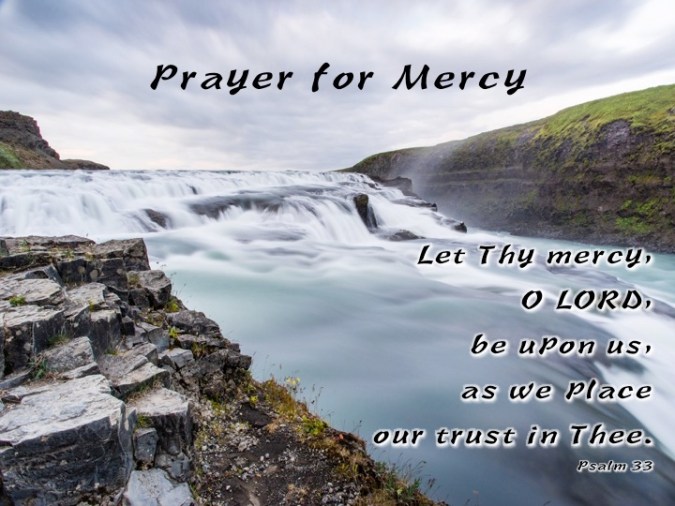
Psalm 33:22 is one of my favorite passages from the Bible, because it describes so eloquently in just a few words our relationship with God. On God’s side, ever-faithful mercy. On our side, ever-growing trust.

As we  begin 2016 and continue our journey into the Year of Mercy, my hope is to discern how God’s mercy is at work in my life right now, and to renew my commitment to trusting in his loving goodness. This will be the daily prayer that I plan to rise with every morning.